ADA Portable Bathroom Guidelines for Momentary Occasions Described
@beckettnvgj204
October 4, 2026 · 14 min read
If you are preparing an event, road fair, outside wedding celebration, charity run, area event, or pop-up community gathering, toilet gain access to is never ever a side problem. Individuals remember whether an event felt welcoming, and absolutely nothing forms that sensation much faster than whether they might actually make use of the facilities provided. For visitors with flexibility impairments, a common mobile unit might not work at all. That is where ADA regulations matter, and where a great deal of occasion coordinators get tripped up.
The excellent information is that the core structure is not strange. The government standard that controls this location is the 2010 ADA Criteria for Accessible Layout, as interpreted by the U.S. Gain Access To Board and the Division of Justice. For short-term events, the basic expectation is simple: if you supply collections of portable single-user toilet devices, at least 5% of the devices in each collection should come. That policy applies also at temporary events.
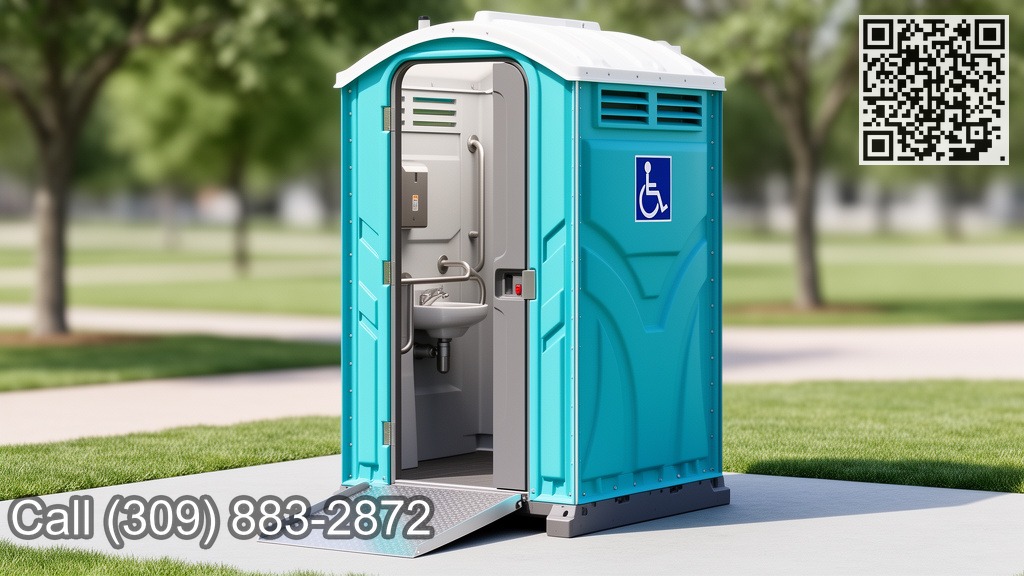
That seems easy theoretically. In the field, however, compliance usually damages down in the information. A vendor supplies an ada mobile restroom, however it gets placed on soft lawn without any steady course. A coordinator orders one ada compliant mobile bathroom for a big location, but spreads out washroom financial institutions throughout the website and neglects that the 5% regulation uses by collection, not simply to the total count. A system arrives with the best footprint yet no usable accessibility due to the fact that the entrance location is obstructed. Those are the errors that matter.
The regulation lots of people require to understand first
For mobile single-user bathrooms organized together in a cluster, at least 5% of the systems in that cluster need to be accessible. If you have a temporary event with several toilet collections spread out around the grounds, you do not wish to think just in regards to a sitewide grand overall. The collection matters.
That point gets forgotten more than it should. Think of an occasion with one bank of bathrooms near the entrance, one more by the food area, and an additional near the efficiency area. So one location has an ada easily accessible portable bathroom, a person who needs it may be compelled to go across a large site, browse groups, or traverse unequal terrain simply to reach a bathroom. The rule is indicated to prevent that sort of practical exclusion.
Because the criterion is percentage-based, the specific unit count relies on the number of mobile commodes are in each cluster. The regulation speaks in percentages, not in a one-size-fits-all event number. In technique, occasion coordinators must discuss cluster design early, not after the vehicle is already on the road.
An accessible device is greater than a larger box
A great deal of individuals make use of the expression ada mobile toilet as if it just implies a bigger mobile bathroom. Size matters, but it is just part of the photo. An easily accessible unit needs to additionally meet toilet-room technical needs. Those include indoor clearances, turning area, door navigating clearances, and appropriate policies for grab bars and water-closet clearances.
This is where expert judgment helps. It is not enough for a system to be marketed delicately as wheelchair-friendly or large. If the device does not actually give the technical attributes needed for ease of access, the tag does not solve the issue. When someone asks whether they need an ada compliant available portable restroom or a standard luxurious device, the solution is that convenience upgrades and lawful access are not the very same thing.
The unit have to likewise be understood the International Sign of Ease Of Access. That might feel like a little detail, yet it matters on active occasion premises. Clear identification aids visitors find the ideal device without needing to open up doors, ask personnel, or browse a line simply to find whether a bathroom is usable for them.
Placement is where many occasions quietly fail
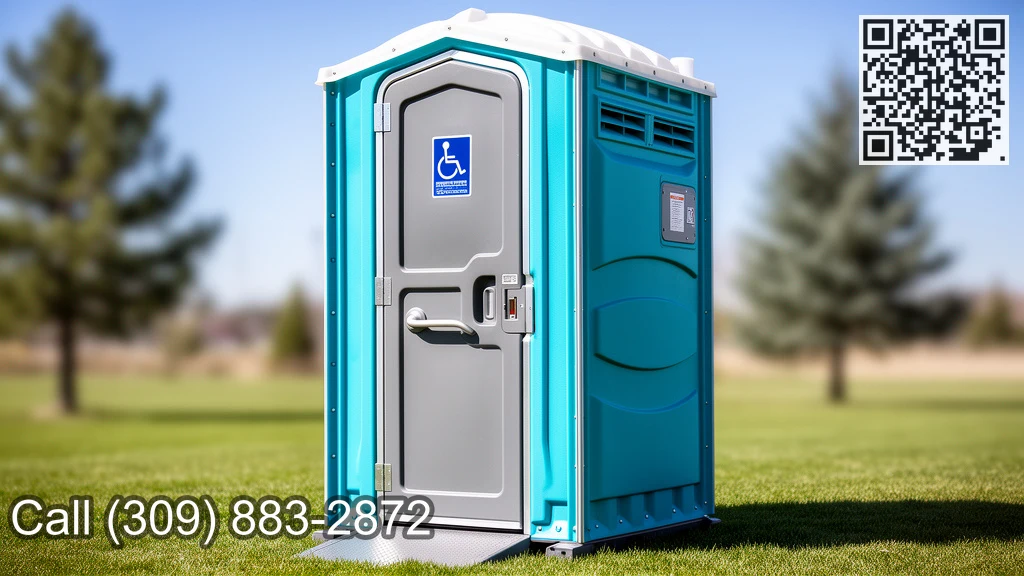
An ada compliant mobile bathroom can still be successfully pointless if it is put terribly. The unit must have an accessible path and entry, and any type of required ramps or touchdowns should abide by ADA technical requirements. In ordinary language, reaching the washroom is part of accessibility, not an optional extra.
This is one of the hardest lessons for temporary-event groups because exterior sites are seldom perfect. Area slope. Gravel shifts. Rainfall adjustments whatever in an hour. A course that looks passable throughout arrangement may end up being challenging after foot web traffic churns the ground. Organizers sometimes focus so greatly on purchasing the right device that they forget to ask the following question: can a visitor really reach and enter it with self-respect and reasonable independence?
I have actually seen occasion maps where the ada handicap easily accessible portable restroom was technically present, yet tucked behind barricades, parked past a lip in the pavement, or put where solution cars partially blocked the door swing. On paper, package was examined. On site, the experience was bad. Accessibility is evaluated in operation, not in theory.
A sensible method to think about it is this: the path needs to make sense to an actual person arriving in a mobility device, using a walker, or needing added handling space. If the course requires going across mud, visuals without a compliant treatment, or a steep improvisated ramp, you must presume you have a problem.
Temporary does not imply exempt
This is among the most typical misconceptions. Some coordinators listen to the phrase momentary event and presume accessibility rules are looser. They are not, at the very least not in the method many people wish. The Gain access to Board has actually explained that the obtainable mobile commode scoping uses also at momentary events.
That issues for short-duration gatherings equally as long as for multi-day events. A one-day fundraiser still has to be intended properly. A community party still requires accessible hygiene. The legislation does not deal with a brief event as a freebie to disregard access.
There is, however, an important distinction in the wider background of portable commode policies. The older 1991 standards consisted of an exemption pertaining to construction-site portable toilets made use of specifically by building and construction employees. That slim context creates confusion because individuals hear about it secondhand and assume mobile units generally are excluded. They are not. For basic ada mobile bathroom rental usage at occasions, the accessible-unit demand stays relevant.
What event coordinators must ask their rental company
Portable toilet vendors vary. Some understand the accessibility requirements cold. Others utilize loosened sales language that can leave coordinators with the wrong devices. If you are getting devices for a public event, quality matters greater than jargon.
Ask direct concerns and obtain direct responses:
- How many systems are in each cluster, and the number of easily accessible systems are being provided for each and every cluster?
- Does each easily accessible device meet ADA toilet-room technical requirements, including clearance and navigating space?
- Will the system show up noted with the International Icon of Accessibility?
- What does the supplier requirement from the website to give an available route and entrance?
- If a ramp or landing is required, who is responsible for making sure it complies?
Those inquiries do two points. Initially, they compel the planning conversation right into specifics. Second, they expose really swiftly whether the vendor deals with accessibility as a genuine conformity concern or as an afterthought. If the solutions are unclear, maintain asking.
Why the site plan matters as long as the order form
An obtainable washroom is never just a rental thing. It is a site-planning concern. The placement of auto parking, drop-off points, pathways, secure fencing, ticketing, food solution, phases, and restroom banks all affect whether the bathroom gain access to really works.
At short-lived events, it prevails to build the format around crowd circulation and then squeeze in hygiene at the end. That sequence often develops accessibility problem. The better approach is to choose early where each collection belongs, just how guests will certainly reach it, and whether each place can support an ada compliant mobile bathroom with a really obtainable approach.
This issues particularly on big premises. If you have bathrooms in several zones, visitors ought to not have to travel from one end of the occasion to one more to find the only ada certified mobile commodes. The collection policy currently pushes in that instructions, however thoughtful format goes further. It considers just how individuals relocate with the event at various times of day and whether available bathroom access remains realistic when groups build.
One information that gets underestimated is queueing area. Also if the device itself is compliant, a terribly managed line can choke off accessibility. Short-term secure fencing, stanchions, and crowd-control barriers should not tighten or block technique to the available unit.
Common mistakes that are simple to prevent
Most washroom accessibility failures at events are not exotic lawful challenges. They are normal planning blunders that compound.
The initially is under-ordering accessible units due to the fact that the coordinator determines 5% across the entire event as opposed to within each collection. The 2nd is ordering the best system kind however establishing it on a route that is not obtainable. The third is thinking that any oversized portable bathroom is instantly ADA certified. The fourth is neglecting recognition signs. The 5th is dealing with setup as last, even when weather condition or site changes make the route even worse by occasion time.
None of those errors call for poor intent. They generally originate from hurry, fragmented responsibility, or weak communication between the place, planner, and rental business. That is why a website stroll, even a fast one, often saves difficulty. It forces everyone to check out the very same ground problems and observe the same pinch points.
The technical side, without claiming every occasion is the same
People commonly desire a straightforward global checklist, yet portable bathroom compliance has technical facets that stand up to shortcuts. The applicable requirements cover points like fixture clearances, turning area, navigating clearances at doors, and grab-bar and water-closet clearance rules. Those are not information to rate from memory.
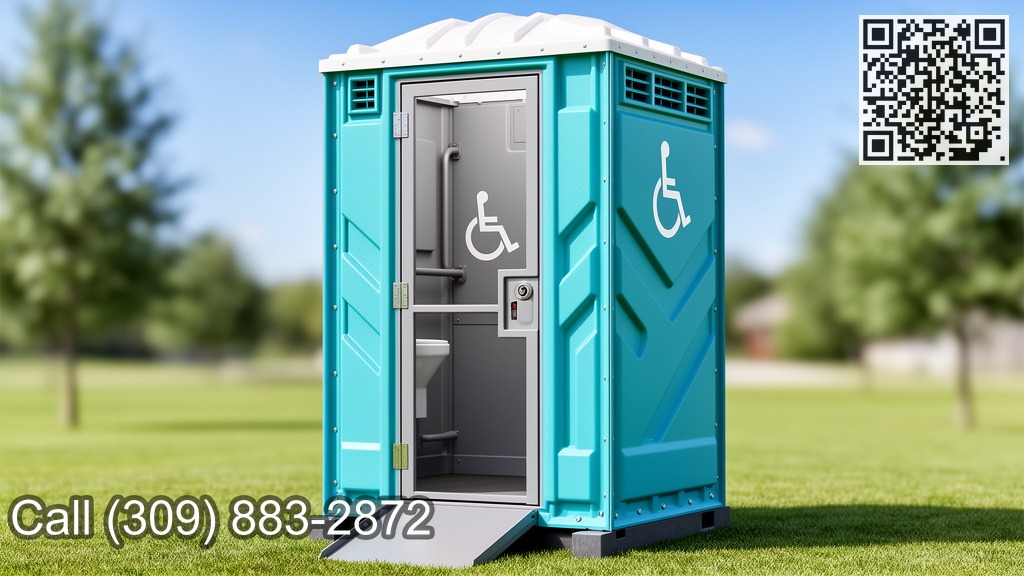
For that factor, a cautious coordinator stays clear of making presumptions based upon appearance alone. One design may look comparable to another and still differ in a manner that impacts use. One site might seem level till you make up the slope at the doorway. One entryway might appear vast enough until a barricade or trash https://israelxqat303.fotosdefrases.com/ada-certified-portable-commode-rental-when-ease-of-access-recognition-issues bin adjustments the handling space.
This is likewise where empathy issues. For several visitors, a restroom trouble is not a small trouble. It can compel them to leave early, avoid food and drink, avoid the occasion totally, or rely upon help they would rather not need. Individuals see whether accessibility was dealt with as real hospitality or as marginal compliance.
When multiple washroom banks are spread across a venue
Large short-term events frequently separate sanitation right into several banks for operational reasons. That can be wise group monitoring, yet it increases the stakes for preparing obtainable devices appropriately. Considering that the 5% policy puts on each cluster, a dispersed layout needs distributed accessibility.
Think via usage patterns as opposed to just head counts. The household location might need an available option close by. The concert field might need one that continues to be reachable also when the primary audience location gets packed. The supplier town may need its own available stipulation if guests spend long periods there.
This is not a matter of gold-plating the website. It is the practical repercussion of just how individuals experience range, surface, and congestion. A guest with minimal mobility may not have the ability to relocate throughout an expansive place just because the only ada-compliant mobile toilets were focused at the entrance.
What "accessible path" truly indicates in event preparation terms
The formal standard utilizes the phrase obtainable route, which expression brings more weight than lots of groups understand. It is not simply "there is some means to get there." It suggests the route itself need to be accessible, and if a ramp or touchdown is needed, it needs to please ADA technical requirements too.
On long-term websites, course planning can be much more uncomplicated since the infrastructure is currently constructed. Temporary events are more difficult. Coordinators might need to adjust parking lots, fairgrounds, roads, grass, or open fields. That develops judgment phone calls, particularly where weather condition, momentary flooring, and quality modifications enter into play.
A helpful preparation routine is to assess the course as a guest would experience it from arrival to toilet door. Beginning at the most likely drop-off or entryway factor. Comply with the path. Look for abrupt degree adjustments, pinch factors, unpredictable surface areas, and anything that would interfere with door handling. If the response to any of those issues is "personnel can assist," that is normally an indicator the arrangement is worthy of another look. Help might be appreciated, yet it is not an alternative to an accessible route.
Language matters when you book units
In the rental market, you will certainly listen to several phrases: ada mobile washroom, ada accessible mobile toilet, ada compliant portable restrooms, ada compliant mobile toilet, even ada-compliant portable bathroom with a hyphenated kind in item summaries. The wording differs, but the issue is not branding. The issue is whether the unit and its placement please the applicable ADA requirements.
That is why I constantly encourage coordinators to pass tags quickly and discuss features and conditions. How many devices per collection? Which model is being supplied? What clearances does it offer? Is it marked with the accessibility symbol? What is the path? That confirms the entryway condition on site? Those inquiries matter more than whichever phrase shows up on the invoice.
The very same opts for searches like ada mobile bathroom service. Look terms are useful for finding suppliers, however they do not ensure the provided configuration will certainly be certified. Actual conformity takes place when the best unit gets here, in the appropriate number, at the right location, with the appropriate access.
A note on enforcement and why this maintains getting a lot more attention
Accessibility conformity becomes part of a more comprehensive setting of enforcement and spotlight, not a fading issue. Federal ADA compliance task continues across markets. One current sign of that larger landscape is the Department of Justice assistance impacting web and mobile accessibility target dates for state and local governments. That guidance is not concerning mobile commodes especially, yet it mirrors a broader fact: accessibility obligations are energetic, visible, and significantly hard for companies to ignore.
For short-lived events, that indicates restroom accessibility need to be treated as component of the exact same total conformity attitude as ticketing, interactions, routes, and place accessibility. The days when coordinators can treat access as a particular niche issue are long gone.
If you are trying to stay useful, concentrate on these priorities
When occasion groups feel overloaded, I normally recommend narrowing interest to the points with the biggest real-world impact.
- Count washroom systems by collection, not just by occasion total.
- Make certain a minimum of 5% of each collection is accessible.
- Confirm the available unit in fact meets ADA technological bathroom requirements.
- Provide an obtainable course and entry, including compliant ramps or landings if needed.
- Check that the system is identified with the International Symbol of Accessibility.
Those 5 concerns will not answer every site-specific inquiry, but they cover the problems that usually make or damage usability.
The human side of obtaining it right
There is a distinction between staying clear of issues and creating an event where individuals really feel thought about. Accessible toilets rest right at that divide. If you have actually ever attended an event with a moms and dad making use of a mobility device, an older family member with a walker, or a buddy recuperating from surgical treatment, you know how quickly a toilet concern becomes every person's issue. Strategies alter. Time gets shed. Tension surges. What should have been an easy moment becomes logistics and embarrassment.
By contrast, when ada compliant obtainable portable restrooms are properly put, plainly significant, and convenient, most guests never need to think about them. That is the objective. Availability works best when it feels ordinary.
Temporary events have sufficient moving components currently. Weather shifts, suppliers run late, web traffic reroutes, and premises conditions transform. But bathroom access is just one of the locations where very early interest pays off. Order the appropriate systems. Count by collection. Safeguard the course. Check the entry. Make sure the symbol shows up. Those are not extravagant tasks, but they are the work that transforms accessibility from a promise right into something real.
And for the visitor deciding whether your occasion feels available to them, that distinction is everything.
 Ask ChatGPT
 Ask Grok
 Ask Perplexity
 Ask Claude
 Ask Google AI
 Ask You