ADA Certified Portable Commode Rental and Available Entrance Conformity
@beckettnvgj204
September 26, 2026 · 14 min read
If you have actually ever tried to plan a website, event, or momentary facility with self-respect in mind, you know the washroom inquiry rises to the top quickly. People can work around a great deal of troubles for an hour or 2. They can not function around the absence of a usable restroom. When the only readily available device has a slim entryway, a high approach, or no room to transform inside, the trouble is not minor. It is prompt, public, and irritating for the individual closed out.
That is why ADA compliance for mobile sanitation should have more treatment than it usually gets. Too many individuals assume that purchasing one larger system solves whatever. In technique, conformity is about the whole experience: how many systems are provided, where they are put, whether the route to them comes, whether the entrance can in fact be made use of, and whether the interior sustains the clearances the standards need. An ada obtainable portable bathroom is not simply a conventional unit with a sticker label on the door. It needs to work as an accessible toilet area, and the technique to it needs to function too.
I have actually seen otherwise well-run tasks stumble here. The rental order may be proper on paper. The unit provided may also be classified effectively. Yet after that it gets set on uneven ground, obstructed by a curb, or parked behind a row of conventional systems that produce a pinch factor. At that point, the problem is not the brochure summary. It is the real-world setup.
What the ADA actually expects from mobile bathroom rentals
The managing government criterion in the United States is the 2010 ADA Specifications for Accessible Style, as interpreted by the Department of Justice and the Accessibility Board. For portable bathroom leasings, that issues due to the fact that the ADA does not deal with availability as optional just because the washroom is short-lived. A mobile system might be relocated by truck, however when it remains in service, it still needs to satisfy accessibility rules that apply to commode areas and to the route bring about them.
One point that gets neglected frequently is the scoping policy for collections of mobile single-user units. If you have a cluster, a minimum of 5 percent of the units because collection need to be accessible. The Access Board has made clear that this applies also at momentary events. That single reality modifications just how organizers ought to assume. A fairground weekend break, a road festival, a community race, a short-term public works organizing location, or an emergency situation feedback assistance zone might all rely on leased toilets, yet short-term use does not remove the accessible-unit requirement.
For numerous organizers, that 5 percent number is the initial wake-up telephone call. They might have presumed that a person ada portable toilet someplace on the premises suffices. In some cases it will certainly suffice for a very small cluster. Sometimes it will not. The matter depends upon the number of devices in each collection, out great intentions.
The 2nd wake-up phone call is that recognition issues too. Accessible portable toilet units need to be noted with the International Sign of Ease Of Access. That might appear basic, yet it serves a functional purpose. People need to be able to situate the ideal unit without thinking, straying, or requesting help in a congested space.
Accessible entryway compliance is where numerous arrangements fail
The expression "easily accessible entry" sounds simple till you walk the site. A device can be completely marketed as an ada certified mobile bathroom, yet still end up being pointless if the technique is bad. The criteria require an accessible path and entryway, and any kind of needed ramps or landings need to follow the ADA technical requirements.
That indicates positioning is not a side problem. It is part of compliance.
Think regarding what takes place on the ground at numerous short-lived websites. A supplier drops an ada mobile restroom onto crushed rock that shifts under wheels and pedestrians. A construction fencing requires a detour over rough ground. An aesthetic edge sits directly in front of the door. A ramp is included in the nick of time, however the landing is confined or the shift is uncomfortable. None of those problems really feel unusual to the teams taking care of a busy arrangement day. To a guest or employee utilizing a movement tool, they can make the system effectively unavailable.
This is where empathy requires to move from belief to preparation. It is insufficient to state, "We rented out the obtainable one." The much better question is, "Can a person get to it, enter it, maneuver inside it, and leave it safely without special support?" That question normally subjects the real risks.
I have actually seen occasion teams invest hours adjust signage, queue lines, and food positioning while the obtainable toilet rests beside a muddy area. No one laid out to exclude any individual. They were merely concentrated somewhere else. Accessibility failings frequently occur by doing this, via common oversight as opposed to deliberate refusal. The impact on the user is the same.
Inside the unit, the technological details matter
An ada certified available mobile restroom needs to do greater than look bigger from the outside. The relevant toilet-room technical needs still matter. The validated requirements indicate fixture clearances, transforming space, and door maneuvering clearances, together with appropriate grab-bar and water-closet clearance rules.
Those requirements are what separate a really useful system from one that is just marketed by doing this. Turning space influences whether a person can position themselves independently. Door steering clearance impacts whether going into and leaving is useful instead of unpleasant or impossible. Get hold of bars and water-closet clearances are not aesthetic information. They are part of fundamental function and safety.
This is why knowledgeable coordinators must stand up to a typical lure, which is to minimize the whole subject to the phrase ada compliant portable commodes and leave the remainder to the rental business. An excellent rental partner issues, absolutely. However conformity does not end when the truck retreats. If the unit is positioned terribly, obstructed, or come close to by an inaccessible course, the setup can still fail.
There is additionally a language catch in this market. You will listen to phrases like ada handicap available portable bathroom, ada certified mobile washroom, ada-compliant portable toilet, and ada certified portable bathrooms used virtually interchangeably in sales duplicate. From a useful point ofview, what matters is whether the supplied device and the installed conditions please the applicable access needs. Tags assist search engines. They do not assist a guest who can not open the door path or go into from the path provided.
Why the entry and route are worthy of as much focus as the unit itself
Portable bathroom planning tends to concentrate on supply. The number of units are needed, when do they arrive, and where do they fit? Access preparation begins in a different location. It begins with movement.
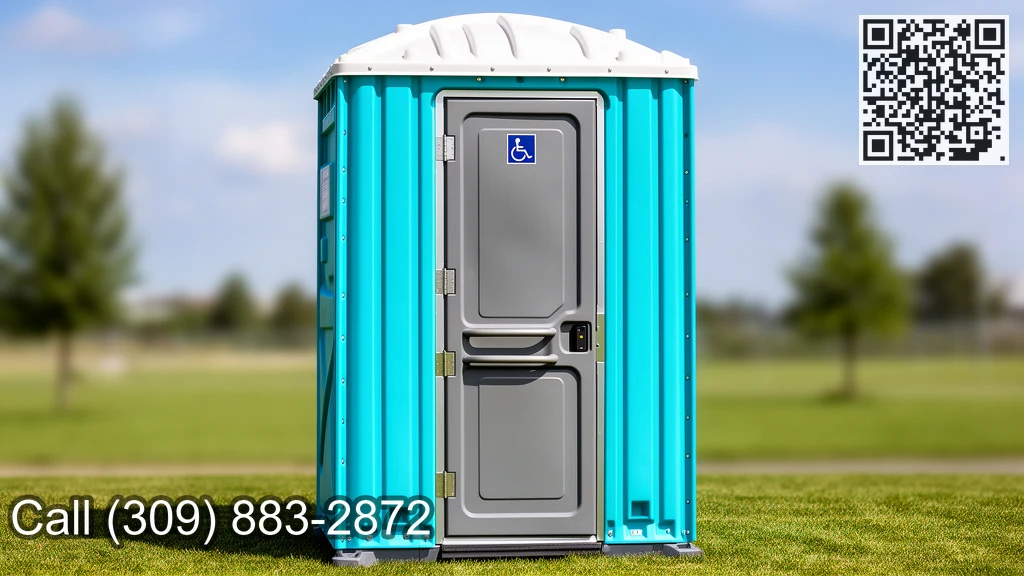
An individual need to not need to leave the useful website area, request for personnel intervention, or travel a much tougher path just to access the restroom. The path needs to be part of the same practical blood circulation that everybody else uses. That is not just a compliance impulse. It is respectful design.
At short-lived events, route failings frequently take place due to the fact that the site evolves swiftly. A course that looked clear on the plan comes to be crowded with obstacles, cables, short-lived fence, supply pallets, or parked equipment. An available entryway may practically exist when the site opens up at 7 a.m., after that become obstructed by midday. That is one reason skilled managers develop toilet check out energetic procedures instead of treating positioning as a single task.
The same issue turns up on work sites, hosting locations, and public-facing momentary centers. A mobile device can satisfy the criteria in the abstract while the day-to-day truth around it drifts out of conformity. Mud gathers, products get piled, and momentary gain access to solutions obtain improvised. The much more energetic the website, the more vital it is to monitor the route and entry after installation.
The special case individuals misconstrue about building sites
There is a vital nuance in the ADA criteria that often gets duplicated without context. The criteria distinguish portable bathroom units at building and construction sites made use of exclusively by construction workers. Those devices are excluded from the portable-toilet access scoping need in the mentioned 1991 standard. That slim point has led some individuals to think construction-related mobile commodes never raise ADA questions. That is as well broad.
For basic portable toilet rentals, the accessible-unit need stays. So the vital concern is not whether the website really feels short-term or occupational in an informal feeling. It is whether you are taking care of the specific excluded scenario defined in the requirements, or with general public-facing or otherwise non-exempt mobile bathroom use where availability needs still apply.
This distinction issues since mixed-use scenarios are simple to misread. A task might involve a jobsite, however it might additionally host site visitors, assessors, neighborhood conferences, public open residences, or shared momentary centers. Once you move outside the narrow excluded situation, the safer and smarter method is to take a look at the real ease of access obligations thoroughly instead of thinking the building label works out the issue.
How I would certainly review an ADA portable toilet service before delivery day
When teams obtain this right, they do not begin by asking only about rate and pump-out regularity. They start by defining the website conditions and the expected customers, after that matching the system matter and placement technique to those truths. A rental partner can not fix a site problem they were never ever told about.
A couple of sensible checks make a massive distinction:
- Confirm the amount of units will certainly remain in each collection and whether a minimum of 5 percent of that cluster will certainly be accessible.
- Verify that the obtainable unit will certainly be identified with the International Symbol of Accessibility.
- Walk the prepared course to the device and seek grade modifications, visuals, unsteady ground, or obstacles that can defeat the obtainable entrance.
- Review whether any ramp or touchdown that will certainly be required is expected to abide by the ADA technical requirements.
- Recheck the location after installation, since a good plan can still be threatened by bad placement on the day of delivery.
That short evaluation catches most of the troubles I see in the field. None of it is glamorous. All of it matters.
Rental language versus conformity reality
One reason this topic gets muddy is that the marketplace language is broad. Browse terms like ada mobile commode rental or ada certified obtainable portable washrooms commonly bring up product pages that appear encouraging. The difficulty is that rental listings do not control lawful conformity by themselves.
A vendor might properly offer an ada portable bathroom version planned to satisfy access needs. However the configuration being used includes a minimum of 3 moving parts: the unit itself, the path to it, and the entrance problems at the place where it is positioned. If any one of those fail, the end user experiences failure.
This is where purchasers need a little healthy suspicion. Not hostility, simply precision. Ask what the device is planned to provide. Ask just how the available system must be mounted. Ask what site conditions might endanger accessibility. Ask who is in charge of ramps, landings, and course prep work. Those are operational questions, not legal theatrics, and they usually cause much better outcomes.
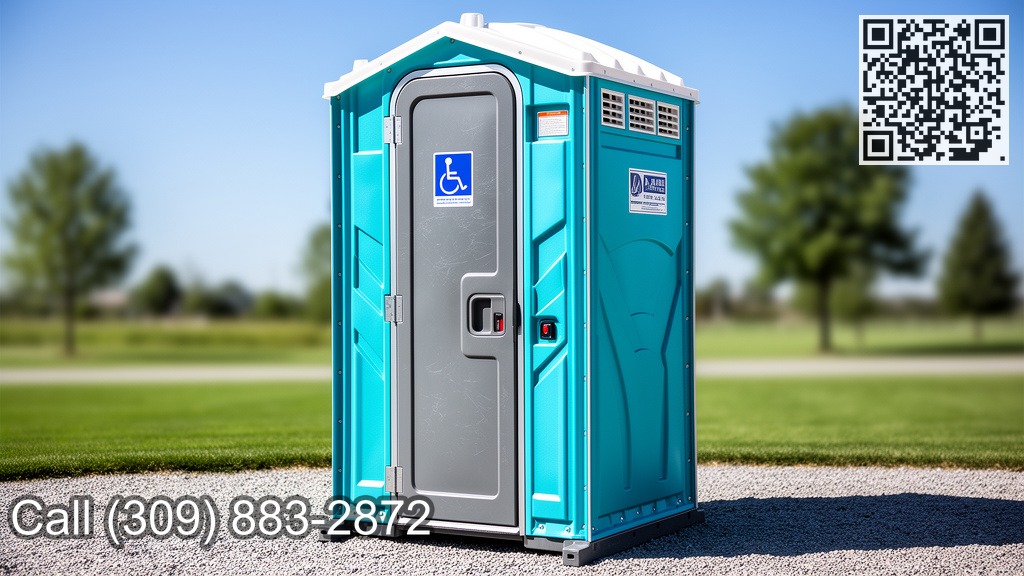
I have discovered that excellent suppliers appreciate direct questions. They prefer to sort out a bad placement issue before distribution than suggest concerning it after guests show up. The friction generally comes when no one possesses the route. The occasion planner presumes the site crew will certainly handle it. The site crew thinks the toilet supplier will certainly encourage them. The vendor assumes the customer selected a certified place. After that everybody is shocked when the available device is practically present but almost unusable.
Temporary occasions are not excluded from respectful planning
Some of one of the most painful accessibility mistakes happen at events indicated to really feel inviting: college festivals, community fairs, charity runs, outside wedding events, local events. The ambience is pleasant, the coordinators are earnest, and the mobile bathroom strategy is treated as a background detail until someone points out that the only available device is across a rough https://emilianotilr296.swiftnestly.com/posts/ada-compliant-portable-restrooms-a-practical-review-of-federal-requirements field or behind a line barrier.
The Accessibility Board's analysis matters here since it makes simple that short-lived events are not outside the assumption for obtainable devices in mobile commode collections. The sensible takeaway is uncomplicated. If you are building a temporary setting for people to gather, access belongs in the earliest website discussions, not the last agitated hour prior to opening.
That does not imply every website comes to be very easy. Historical grounds, constricted metropolitan blocks, soft surface, and emergency problems all produce real difficulties. Yet challenging websites require even more judgment, not much less. Sometimes the very best offered compliant placement is not one of the most hassle-free spot for operations. In some cases you need to remodel secure fencing, reroute pedestrians, or give up a prime supplier location to maintain an available path. Those compromises are specifically what accountable preparation looks like.
The wider conformity environment should transform exactly how companies think
Accessibility is being imposed in a wider compliance atmosphere across sectors. One current sign of that larger fad is the Division of Justice's 2026 assistance extending the due date for certain state and city government internet and mobile access guidelines to April 26, 2027 for bigger entities. That development is about digital availability, not mobile commodes, however it shows something essential: ADA compliance is not fading right into the background. It is remaining active, noticeable, and operational.
For organizations, that wider context matters. The exact same entity taking notice of accessible internet sites, digital types, and public communication should likewise pay attention to physical gain access to in short-term spaces. The details differ, yet the way of thinking coincides. Access is not a box to check once. It is a common to maintain in the places where people actually communicate with your service, job, or event.
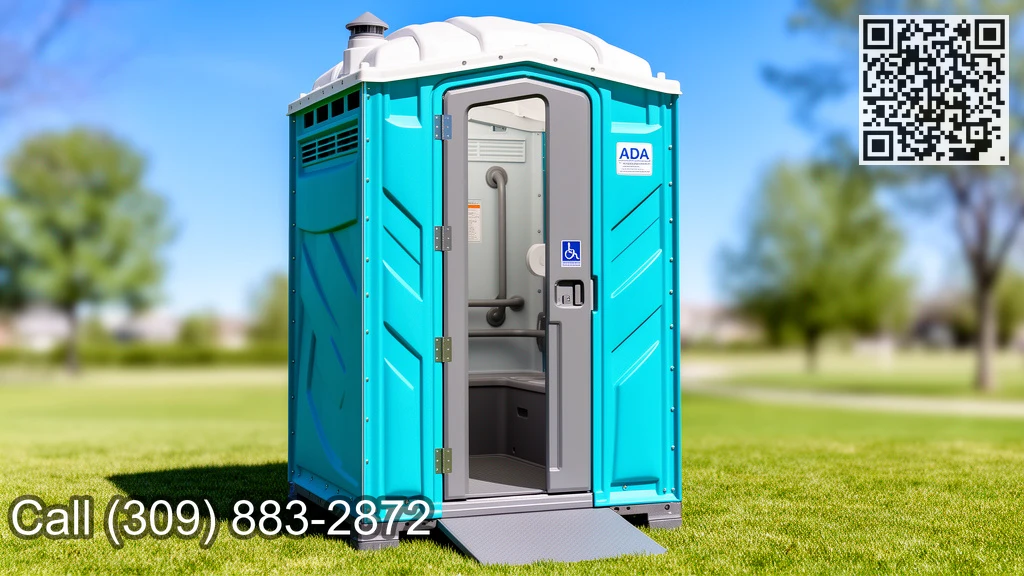
Common failure points I would deal with first
When a setup feels unpredictable, I would certainly not start with abstract lawful disputes. I would begin with the conditions more than likely to obstruct genuine use:
- an easily accessible device supplied in the wrong amount for the cluster
- a course that looks satisfactory theoretically yet is blocked or unstable in practice
- an entry that depends upon a ramp or touchdown that was never effectively planned
- a system recognized inadequately or otherwise understood the International Icon of Accessibility
- a post-delivery site adjustment that blocks handling or door access
Every one of these failures is preventable with far better control. None of them requires expensive innovation or a massive spending plan. They need interest, a website stroll, and someone empowered to say, "This location does not work, relocate currently."
What respectful compliance appears like in practice
The ideal setups are typically peaceful. No one talk about them since they simply function. The ada certified mobile bathroom is simple to locate, easy to reach, and very easy to get in. The course becomes part of the typical site flow. The entrance does not really feel like a second thought. The device is recognized correctly. Individuals utilize it without needing team rescue, description, or apology.
That is the typical worth aiming for, and it is more attainable than several groups assume. A lot of failings I have seen were not brought on by difficult websites or rare code disputes. They came from hurried assumptions. Somebody believed the available unit itself was the whole solution. A person forgot that a mobile toilet still has to become part of an obtainable environment.
If you are organizing an ada mobile bathroom or assessing ada mobile bathroom requirements for an upcoming website, keep the point of view simple. Count the cluster correctly. Provide the available units called for. Ensure they are identified effectively. After that spend as much energy on the path and entry as you do on the rental order. That is where conformity becomes real, and where respect becomes visible.
 Ask ChatGPT
 Ask Grok
 Ask Perplexity
 Ask Claude
 Ask Google AI
 Ask You